
UK Fire Exit Stair Nosing Rules 2026 – What Every Building Must Follow
2nd Jul 2025
UK Fire Exit Stair Nosing Rules: Compliance & Safety Guidelines
Fire exit stairs are critical for safe evacuation in commercial and public buildings. Installing compliant stair nosings ensures visibility, slip resistance, and adherence to UK regulations. This guide outlines key rules, installation tips, and common mistakes to avoid.
Why Fire Exit Stair Nosings Are Important
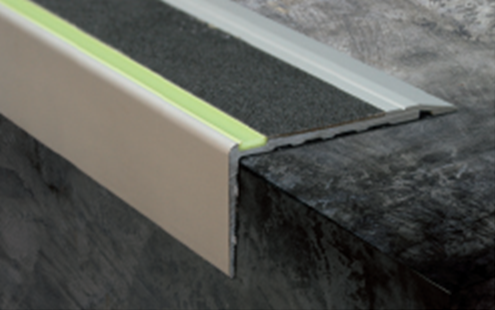
- Enhances visibility of each step in low-light or emergency conditions, especially when using glow-in-dark outdoor stair nosings
- Reduces trip hazards and slip risks during evacuations
- Supports compliance with UK safety regulations including BS 8300 and Approved Document K
Legal Compliance & Standards
Approved Document K – Protection from Falling
- Stair risers and goings must be consistent throughout a flight
- Nosings should be slip-resistant and clearly visible
Approved Document M – Access to and Use of Buildings
- Applies to public and commercial buildings
- Steps must include a 30–55mm wide contrasting strip on the nosing, such as those in our commercial stair nosing range
- The strip must visually contrast with the tread by at least 30 LRV points
BS 8300-2:2018 – Inclusive Design Standards
- Supports best practices for accessible environments
- Recommends:
- Visual contrast on nosings
- Anti-slip surfaces
- Uniform dimensions and consistent placement
Equality Act 2010
- Requires reasonable adjustments for disabled users
- Poorly contrasted or missing nosings may be considered discriminatory
Key Fire Exit Nosing Requirements
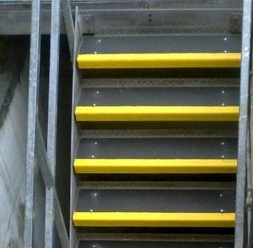
- Contrasting colour or texture to clearly mark step edges
- Anti-slip inserts or surfaces suitable for high-traffic emergency use, including GRP step tread covers
- Consistent dimensions across all steps in the flight
- Properly fixed to prevent movement or tripping hazards
Installation Tips for Fire Exit Stair Nosings
- Measure each step accurately and ensure a snug fit
- Ensure the underlying stair tread is clean, level, and free from debris
- Use screws, adhesive, or a combination depending on material and manufacturer guidelines
- Check all nosings for slip resistance, especially in wet or high-traffic areas
Common Pitfalls to Avoid
- Missing or uneven nosings along a flight of stairs
- No LRV contrast or worn nosing inserts
- Slippery surfaces that compromise safety
- Inconsistent nosing width or placement
Related Guides & Resources
- Complete UK Stair Nosing Guide
- UK Stair Nosing Regulations & Legal Requirements
- Stair Nosing LRV Requirements
- How to Install Stair Nosings
Need Compliant Fire Exit Stair Nosings?
Browse our range of stair nosings and tread covers designed for fire exits, accessibility, and high-traffic safety:
- Commercial Stair Nosings
- DDA Compliant Stair Nosings
- Glow-in-Dark Outdoor Anti-Slip Stair Nosings
- Anti-Slip GRP Step Tread Covers
- Contact Us for advice on fire exit stair safety