
Wall Guards vs Corner Guards: UK Compliance, Uses & Key Differences
9th Jul 2025
Wall Protection Guide: Choosing Between Wall Guards and Corner Guards
When it comes to protecting your interior walls from impact, scuffs, and long-term wear, two popular solutions stand out: wall guards and corner guards. Understanding the difference helps you select the right protection for your building.
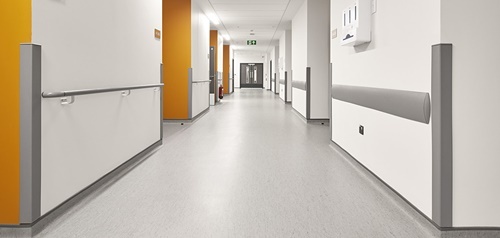
What Are Wall Guards and Why Are They Important?
Wall guards are horizontal rails mounted along flat wall surfaces to protect against impacts, scuffs, and daily wear. They are ideal for high-traffic areas like hospitals, schools, and commercial corridors. Durable wall guard systems prevent costly wall repairs and keep interiors looking professional.
Key Features of Wall Guards:
- Horizontal installation along walls
- Materials: PVC, rubber, stainless steel, aluminium
- Used in hospitals, corridors, and public spaces
- Prevents scratches, dents, and impact damage
What Are Corner Guards and When Should You Use Them?
Corner guards protect exposed wall edges from chipping and cracking. They are especially important in areas with frequent movement of trolleys, carts, and equipment, such as hospitals, schools, and warehouses.
Key Features of Corner Guards:
- Vertical installation on external wall corners
- Materials: PVC-u, stainless steel, rubber, aluminium
- Protects edges from knocks and collisions
- Ideal for healthcare, education, retail, and industrial settings
Learn more about educational settings with corner guards for schools and nurseries .
Wall Guards vs. Corner Guards: A Quick Comparison
| Feature | Wall Guards | Corner Guards |
|---|---|---|
| Function | Protect flat walls from scuffs and impacts | Protect corners and edges from chips and cracks |
| Orientation | Horizontal | Vertical |
| Materials | PVC, aluminium, rubber, stainless steel | PVC, aluminium, rubber, stainless steel |
| Best For | Corridors, healthcare, commercial interiors | Hospitals, schools, warehouses, retail corners |
| Damage Prevention | Scuffs, scrapes, impact marks | Chips, cracks, edge damage |
Can You Use Wall Guards and Corner Guards Together?
Yes! Combining both provides the most comprehensive protection for walls and corners. Wall guards shield long corridors from repeated impacts, while corner guards protect vulnerable edges from collisions. In healthcare, NHS-approved corner guards are often specified for patient areas and high-traffic zones.
How to Choose the Right Wall Protection Material
- PVC: Affordable, easy to clean, and impact-resistant.
- Stainless Steel: Durable, hygienic, ideal for hospitals.
- Rubber: Shock-absorbing for industrial environments.
- Aluminium: Lightweight, corrosion-resistant, and long-lasting.
Which Wall Protection is Best for Your Building?
Choosing between wall guards and corner guards depends on your building’s traffic patterns, equipment, and maintenance goals. For corridors and high-traffic walls, invest in wall guards. For vulnerable corners, always include corner guards for maximum protection.
FAQs About Wall and Corner Guards
1. Can I use both wall guards and corner guards together?
Yes, combining both provides full protection for walls and corners, reducing repair costs in high-traffic areas.
2. Which material is best for hospitals?
Stainless steel is preferred for hospitals due to hygiene, durability, and ease of cleaning.
3. Are wall guards suitable for schools?
Yes, PVC or aluminium wall guards are commonly used in schools to protect long corridors from daily wear and equipment impacts.
Need Help Selecting the Right Wall Protection?
Whether you’re renovating a school, healthcare facility, or commercial office, our team can help you select the ideal wall and corner protection products. Contact us for advice, pricing, or technical specifications.
Ready to order? Browse our full range of Wall Protection and Corner Guards today.